

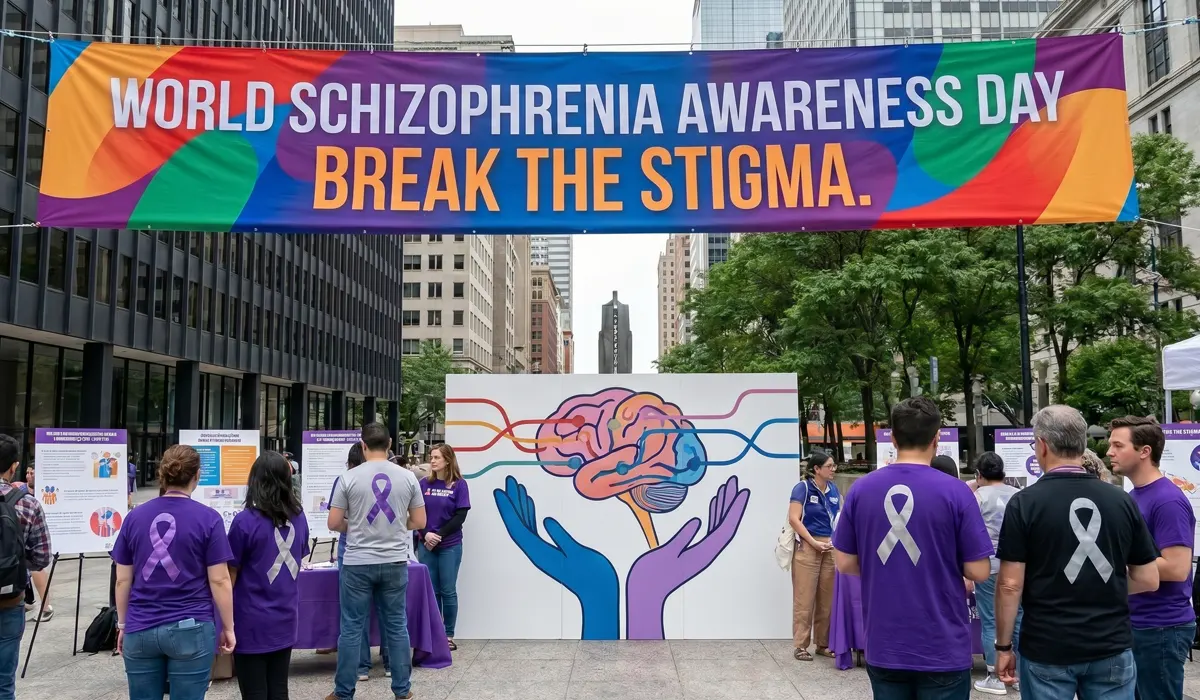
Have you ever wondered what it truly means to care for someone living with schizophrenia? Beyond the clinical symptoms and medication schedules lies a human story, often overlooked. On World Schizophrenia Awareness Day 2026, it’s time to rethink how we approach care—not just as a checklist but as a genuine connection.
- The Role of Curiosity in Schizophrenia Care
- Building Meaningful Rapport Beyond Symptoms
- Moving Beyond Screening Tools to Real Conversations
- Addressing Barriers to Treatment Through Patient Stories
- The Importance of Seeing People Beyond Their Diagnosis
- Integrating Curiosity and Rapport into Clinical Practice
- World Schizophrenia Awareness Day 2026: A Call to Action
- Embracing Curiosity to Transform Schizophrenia Care
Schizophrenia is more than a diagnosis; it’s a lived experience shaped by daily struggles, hopes, and barriers. Yet, many clinicians find themselves trapped in routines that prioritize symptoms over stories. What if curiosity and rapport could change everything about treatment engagement?
The Role of Curiosity in Schizophrenia Care
Curiosity isn’t just a personality trait; it’s a clinical skill that can transform psychiatric care. Tracy Hicks, DNP, highlights that clinicians often miss critical opportunities to understand patients because they focus too narrowly on symptoms and forms. This tunnel vision can unintentionally reduce patients to diagnoses rather than complex individuals.
Starting a conversation with simple, open-ended questions—like “Tell me about you” or “What would you like to achieve today?”—can reveal much more than symptom checklists ever could. These questions open the door to understanding patients’ goals, daily functioning, and the barriers they face. For example, asking about activities once enjoyed or abilities patients hope to regain helps uncover clinically relevant information that informs personalized care.
When curiosity guides clinical interactions, it shifts the focus from treating illness to supporting the whole person. This approach not only improves communication but also strengthens trust and engagement, which are crucial for long-term treatment success.
Building Meaningful Rapport Beyond Symptoms
Rapport is often talked about but rarely practiced with the intentionality it deserves, especially in schizophrenia care. Hicks shared a story about a young man recovering from psychosis who was recently released from prison. His conversation was disorganized, making it tempting to redirect or focus solely on symptoms.
Instead, Hicks paused and expressed genuine interest: “Tell me more about you, because I care about you.” This simple statement surprised the patient, revealing how rare such concern felt to him. This moment of connection demonstrated the power of therapeutic rapport for individuals who often feel stigmatized or dismissed.
People with schizophrenia frequently face social isolation and misunderstanding. When clinicians show that they see patients as people first—not just as a diagnosis—they create a foundation for healing that goes beyond medication. This human connection can motivate patients to engage more fully in their care.
Moving Beyond Screening Tools to Real Conversations
Screening instruments and symptom checklists are essential for diagnosis and monitoring, but they should never replace meaningful dialogue. Hicks warns that overreliance on these tools can make patients feel like data points rather than partners in their care.
Instead, clinicians should use screening results as conversation starters. Asking, “You answered this question this way—can you tell me more about that?” invites patients to share their experiences in their own words. This approach validates their perspective and helps clinicians gain a richer understanding of the patient’s condition and needs.
This balance between structured assessment and open-ended conversation ensures that care is both evidence-based and empathetic. It respects the complexity of schizophrenia as a condition that affects not just the brain but the whole person’s life.
Expert Tip
Curiosity in clinical care can improve patient engagement and reveal barriers to treatment that symptom checklists alone often miss.
Addressing Barriers to Treatment Through Patient Stories
Understanding a patient’s lived experience means recognizing the obstacles they face daily. These can include stigma, lack of social support, housing instability, or difficulties accessing healthcare. Hicks emphasizes asking patients directly about what stops them from achieving their goals and what resources they need.
This patient-centered approach uncovers hidden challenges that might otherwise go unnoticed. For instance, a patient might struggle with transportation to appointments or fear judgment from family members. Identifying these barriers allows clinicians to tailor interventions that address real-world issues, improving adherence and outcomes.
Clinicians who take the time to listen and ask thoughtful questions can help patients navigate complexities that extend beyond symptoms. This holistic understanding is essential for effective schizophrenia care and for fostering long-term recovery.
The Importance of Seeing People Beyond Their Diagnosis
Schizophrenia is a diagnosis, not an identity. This distinction matters because it helps shift the narrative from “illness” to “person.” Hicks reminds clinicians that patients are people first, with stories, dreams, and struggles like anyone else.
When care centers on the person rather than the disorder, it fosters dignity and respect. This mindset reduces stigma and helps patients feel valued, which can improve their willingness to engage in treatment. It also encourages clinicians to remain curious and open, avoiding assumptions based solely on diagnosis.
Recognizing the humanity of patients challenges the healthcare system to prioritize empathy alongside clinical expertise. This balance is critical for meaningful psychiatric care.
Integrating Curiosity and Rapport into Clinical Practice
Making curiosity and rapport central to psychiatric care requires intentional effort. Clinicians must resist the pressure to rush through appointments and instead create space for genuine dialogue. This means asking open questions, listening actively, and responding with empathy.
Training programs and clinical guidelines can support this shift by emphasizing communication skills alongside diagnostic criteria. Healthcare systems should also recognize the value of time spent building rapport as an investment in better outcomes, not a delay in care.
Ultimately, curiosity and rapport are practical tools that improve treatment engagement. They help clinicians understand the full picture of a patient’s life and create partnerships that support recovery.
World Schizophrenia Awareness Day 2026: A Call to Action
World Schizophrenia Awareness Day 2026 offers a timely reminder that improving care requires more than medical knowledge. It demands curiosity, patience, and a commitment to seeing patients as whole people.
By embracing these principles, clinicians can improve treatment engagement and outcomes for individuals living with schizophrenia. This approach respects the complexity of the disorder and the richness of human experience.
As we recognize this day, let’s remember that meaningful psychiatric care begins with a simple but powerful question: “Tell me about you.”
Embracing Curiosity to Transform Schizophrenia Care
The future of schizophrenia treatment lies not just in new medications or technologies but in how clinicians engage with patients. Curiosity and rapport are not optional extras; they are essential components of effective care.
When clinicians prioritize understanding lived experience, they gain insights that symptom checklists cannot provide. This deeper knowledge supports personalized treatment plans and helps address barriers that might otherwise derail progress.
World Schizophrenia Awareness Day 2026 is an opportunity to refocus attention on these human elements of care. By fostering genuine curiosity and building trust, clinicians can create a therapeutic environment where patients feel seen, heard, and valued.
This shift is vital for improving outcomes and quality of life for those living with schizophrenia. It challenges the healthcare community to remember that behind every diagnosis is a person with a unique story worth understanding.