
Imagine losing a limb or an organ and simply growing it back. Sounds like science fiction, right? Yet, certain animals have this remarkable ability to regenerate body parts. Understanding how they do it could reshape human medicine in ways we’ve only dreamed of.
- The Biological Puzzle of Regeneration
- Salamanders: Masters of Limb Regrowth
- Axolotls: Regeneration Beyond Limbs
- Sharks and Their Dental Renewal
- Starfish: Regrowing Entire Bodies
- Mexican Tetra and Zebrafish: Healing Hearts Without Scars
- Chameleons: Beyond Color Change
- What Animal Regeneration Teaches Us About Human Healing
- Challenges and Future Directions
- Animal Regeneration and the Path to Medical Innovation
- The Promise of Animal Regeneration for Human Healing
The idea of regenerating limbs, organs, or even teeth throughout life isn’t just wishful thinking. Some species naturally perform these feats, offering a biological blueprint that researchers are eager to decode. What if these creatures hold the key to healing human injuries more completely?
The Biological Puzzle of Regeneration
Regeneration is a complex biological process where cells grow and differentiate to replace lost or damaged tissue. While humans show limited regenerative capacity—like healing skin wounds or liver tissue—most organs and limbs do not regrow. In contrast, some animals can replace entire limbs or organs, restoring full function.
The mechanisms behind regeneration vary widely across species. For example, salamanders and axolotls regenerate limbs by forming a mass of undifferentiated cells called a blastema at the injury site. These cells then specialize and rebuild the lost structures. Understanding this cellular choreography is crucial for applying similar concepts to human healing.
Salamanders: Masters of Limb Regrowth
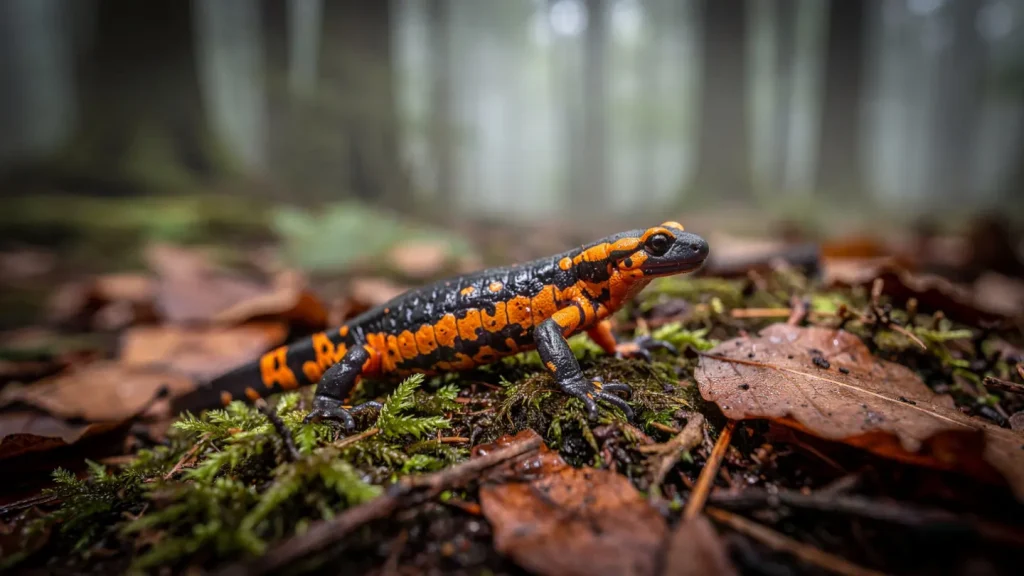
Salamanders are often cited as the poster animals for regeneration. With over 700 species, all possess some ability to regenerate, but some excel more than others. When a salamander loses its tail, it can regrow a fully functional replacement within weeks. This new tail includes bones, muscles, nerves, and skin, all restored seamlessly.
The process begins with wound healing, followed by blastema formation. Cells in the blastema behave like stem cells, proliferating and differentiating into the necessary tissues. The salamander’s immune system also plays a unique role, supporting regeneration rather than scarring. This contrasts with humans, where scarring often impedes tissue regrowth.
Axolotls: Regeneration Beyond Limbs
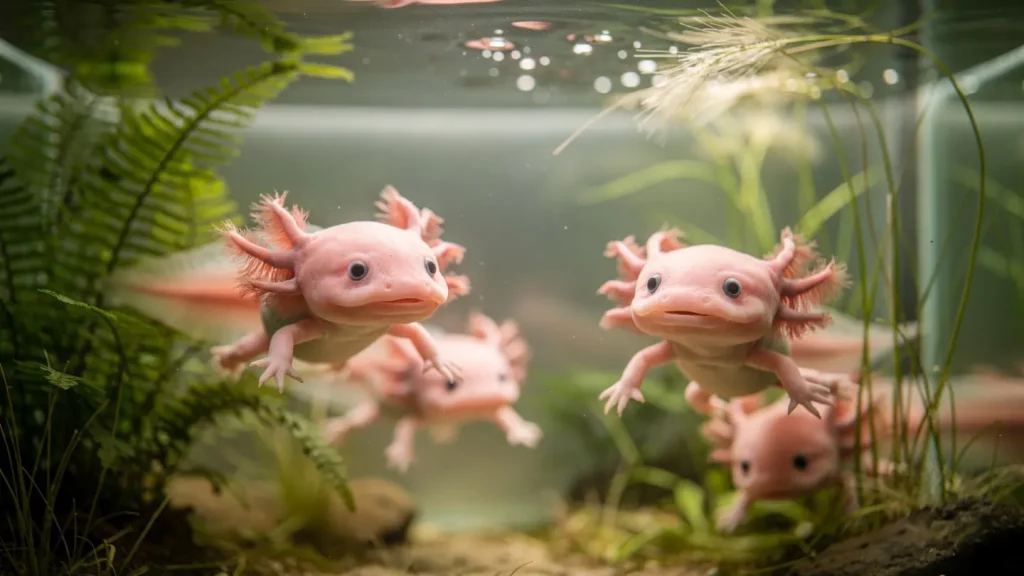
Axolotls, a type of aquatic salamander, take regeneration further. They can regrow not only limbs and tails but also complex organs like parts of the heart, spinal cord, and even sections of their brain. This capacity has made them a focus of regenerative research.
Their ability to regenerate major organs without scarring suggests unique molecular signals at play. Scientists study axolotls to identify genes and pathways that could be activated in humans to promote similar healing. The axolotl’s regenerative prowess challenges assumptions about the limits of vertebrate biology.
Sharks and Their Dental Renewal
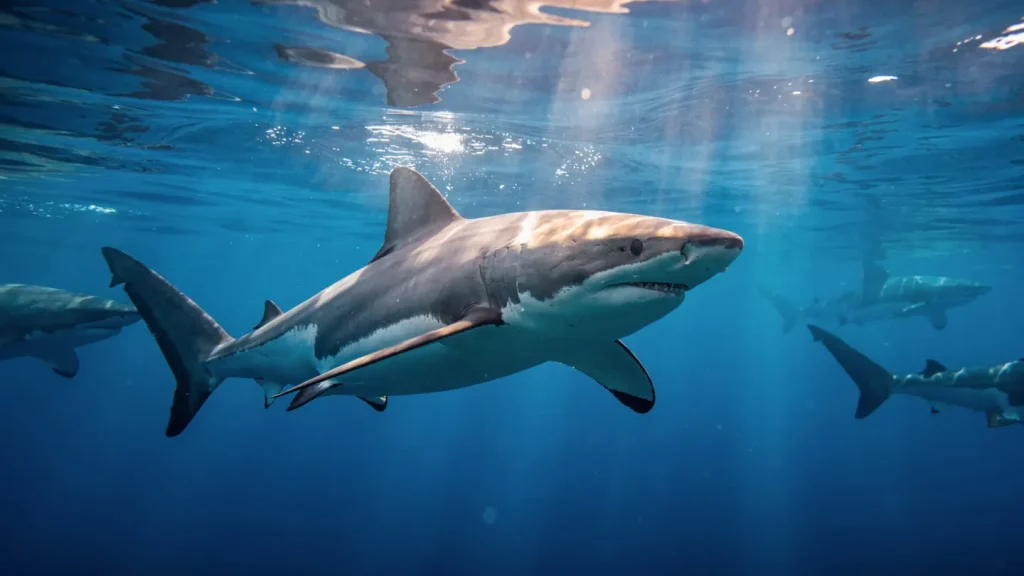
Sharks don’t regenerate limbs, but their teeth are a different story. They continuously grow new teeth throughout their lifetimes, replacing lost or damaged ones rapidly. This dental regeneration involves a conveyor belt-like system where new teeth move forward to replace old ones.
Understanding the genetic and cellular basis of shark tooth regeneration could revolutionize human dental care. If researchers can replicate or stimulate similar mechanisms, it might reduce the need for dentures or implants by enabling natural tooth regrowth.
Starfish: Regrowing Entire Bodies
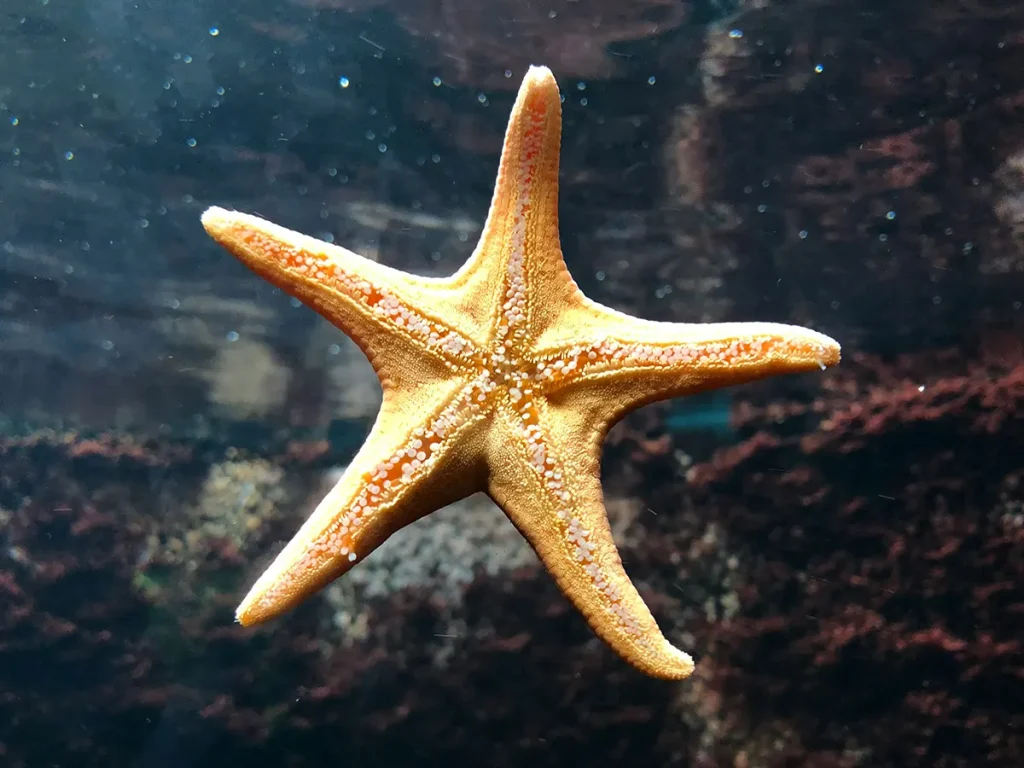
Starfish display one of the most extraordinary regenerative abilities in the animal kingdom. Not only can they regrow lost limbs, but they can regenerate an entire new body from a single severed arm. This means one starfish can effectively produce several new individuals after injury.
This capacity relies on a decentralized nervous system and a remarkable ability to reprogram cells at the injury site. The plasticity of starfish cells offers insight into how adult cells might revert to a more flexible state, a concept that could inform regenerative medicine.
Mexican Tetra and Zebrafish: Healing Hearts Without Scars
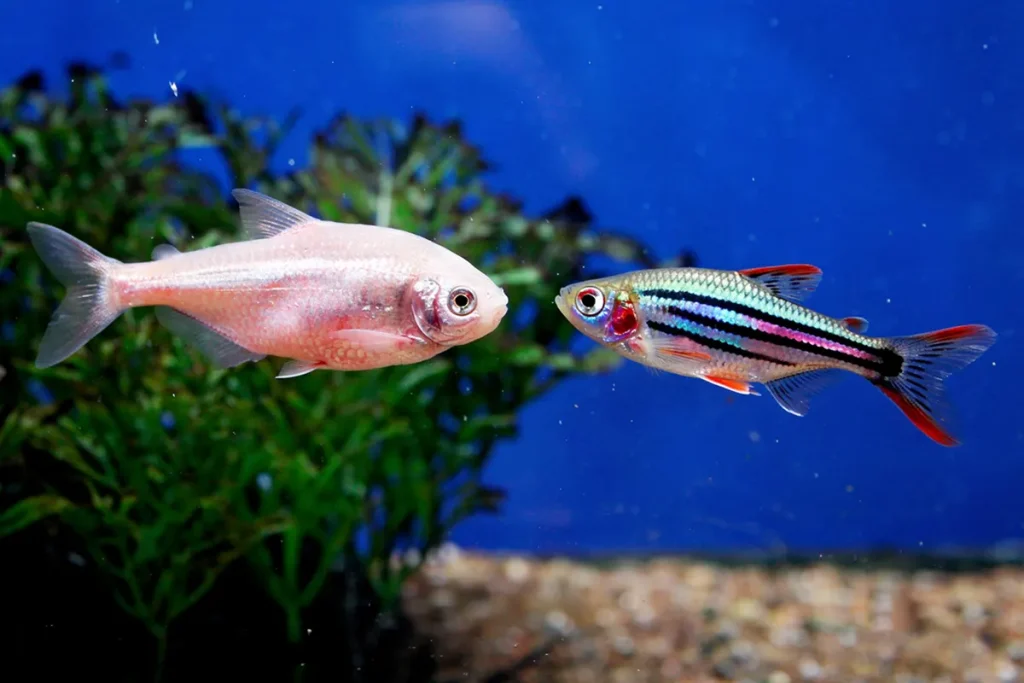
The Mexican tetra, a freshwater fish, can regenerate heart tissue after injury without forming scars. Similarly, zebrafish exhibit this ability, regenerating damaged heart muscle efficiently. This contrasts sharply with human hearts, which typically form scar tissue that impairs function after damage.
Research into these fish focuses on how their cardiac cells proliferate and how the immune response supports regeneration rather than fibrosis. These findings could guide therapies to improve recovery after heart attacks in humans.
Chameleons: Beyond Color Change
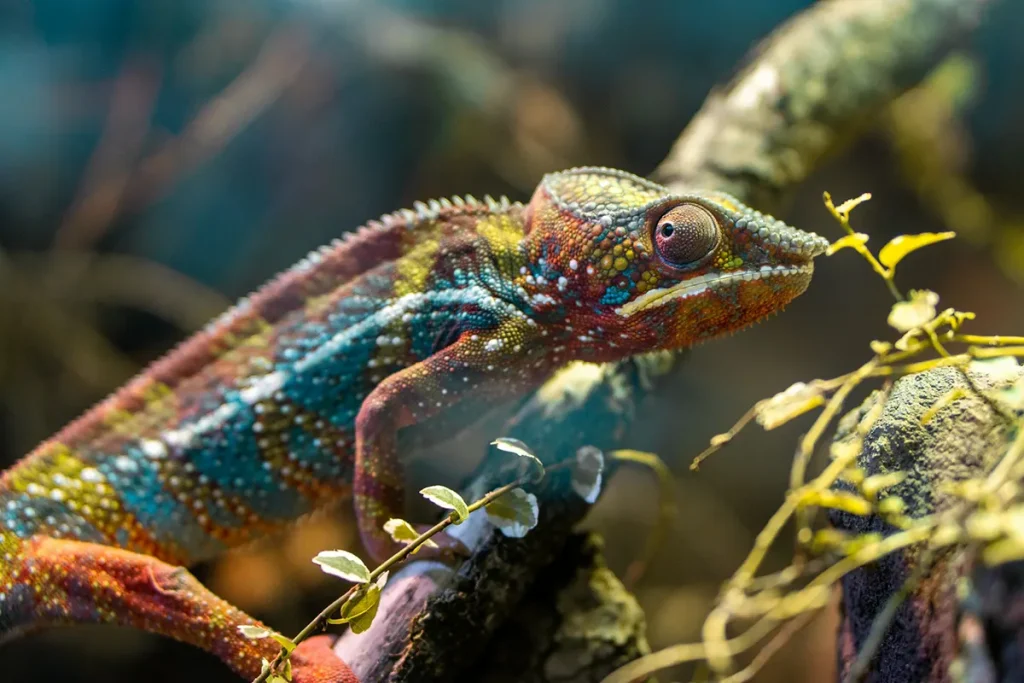
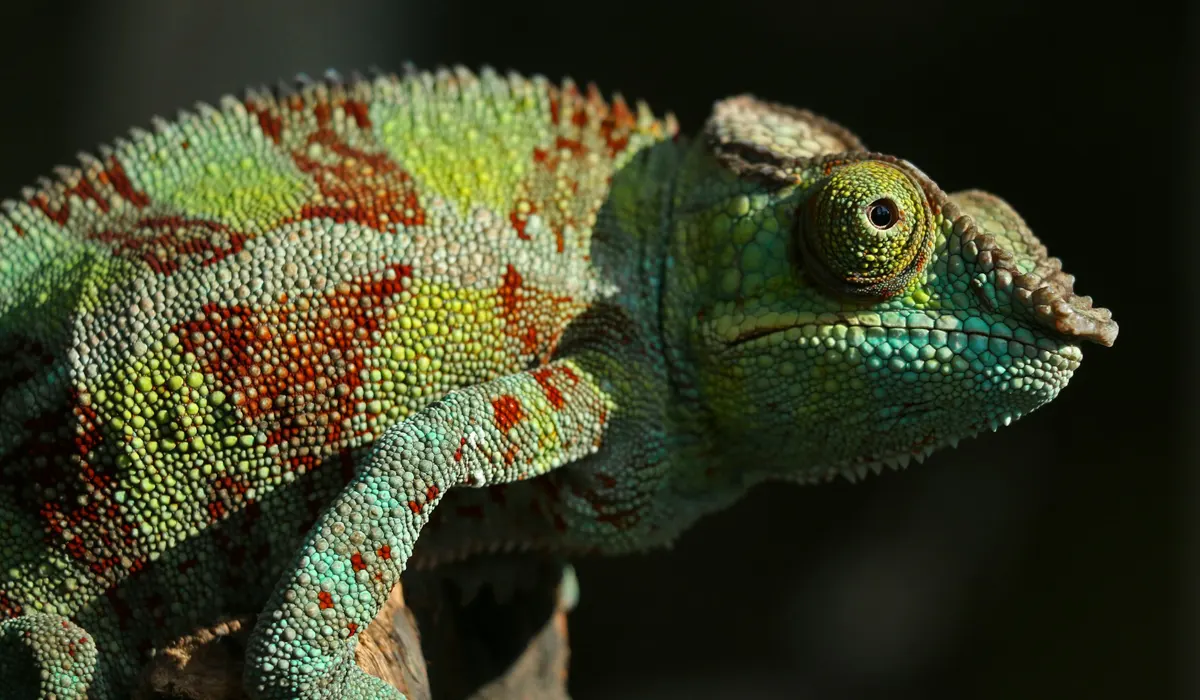
Chameleons are famous for their color-shifting skin, but they also possess regenerative capabilities. They can regrow tails and limbs and repair damaged nerves and skin during the process. Their regenerative response involves coordinated cellular signaling to restore structure and function.
Studying chameleons adds another piece to the puzzle of vertebrate regeneration, particularly regarding nerve repair, which remains a significant challenge in human medicine.
Regeneration Insight:
Some animals can regrow entire organs or limbs by activating dormant genetic pathways and coordinating immune responses that prevent scarring.
What Animal Regeneration Teaches Us About Human Healing
The variety of regenerative strategies across animals reveals that nature has evolved multiple solutions to tissue loss. Key elements include the ability to form a blastema, control immune responses to avoid scarring, and reactivate developmental genes in adult tissues.
Humans share many genetic pathways with these animals but lack the regenerative outcomes. This suggests that evolutionary changes suppressed these abilities, possibly due to trade-offs with cancer risk or immune defense.
By studying animals like salamanders, axolotls, and zebrafish, scientists aim to identify molecular triggers and environmental conditions that could be manipulated in human cells. Early experiments with gene editing and stem cell therapies show promise but also highlight the complexity of safely inducing regeneration.
Challenges and Future Directions
Replicating animal regeneration in humans faces significant hurdles. Human tissues are more complex, and uncontrolled cell growth risks tumors. Moreover, the immune system’s role in healing differs widely between species, complicating translation.
Research is ongoing to understand how to balance regeneration with cancer suppression and immune tolerance. Advances in gene editing, tissue engineering, and molecular biology offer tools to test these mechanisms in human models.
While practical human limb regeneration remains distant, incremental progress in organ repair and scar-free healing is achievable. For instance, improving heart tissue recovery or enhancing nerve regeneration could drastically improve quality of life.
Animal Regeneration and the Path to Medical Innovation
The regenerative abilities observed in animals are not just biological curiosities; they represent potential templates for medical innovation. Each species teaches us something unique about cellular plasticity, immune modulation, and tissue patterning.
If researchers can unlock these mechanisms, the impact on human health would be profound—reducing disability, improving recovery times, and perhaps one day enabling the regrowth of lost body parts. This vision depends on careful, evidence-based research grounded in comparative biology.
As we learn more about animal regeneration, the gap between natural healing and medical intervention may narrow, offering new hope for patients worldwide.
The Promise of Animal Regeneration for Human Healing
Exploring animal regeneration reveals the intricate biological dance that allows some species to restore lost body parts fully. From salamanders’ limbs to sharks’ teeth and fish hearts, these models highlight pathways that humans might one day harness.
The potential to regrow limbs or organs could redefine medicine, shifting from repair to restoration. While challenges remain, the progress in understanding animal regeneration is a critical step toward that future.
Research into animal regeneration human healing is not just academic; it holds practical promise for improving lives and expanding the boundaries of what medicine can achieve.
Q: Why can some animals regenerate limbs but humans cannot?
A: Animals like salamanders have cellular mechanisms that allow the formation of a blastema and controlled immune responses that prevent scarring. Humans lack or suppress these pathways, limiting regeneration.
Q: Can humans regrow teeth like sharks?
A: Humans do not naturally regrow teeth after losing adult teeth, but studying shark dental regeneration may lead to therapies that stimulate tooth regrowth.
Q: What animals are most studied for heart regeneration?
A: The Mexican tetra and zebrafish are key models because they can regenerate heart tissue without scarring, unlike humans.
Q: Are there risks to inducing regeneration in humans?
A: Yes, uncontrolled cell growth can lead to cancer, and immune responses must be carefully managed to avoid rejection or fibrosis.
Q: How soon could human limb regeneration be possible?
A: It remains a long-term goal; current research focuses on understanding mechanisms and improving organ or tissue repair first.