
A seizure led 38-year-old Teong Wen Han to an unexpected discovery—a brain tumour hidden behind his right eye. The tumour was growing quietly, masked by what he thought was just a morning headache cured by coffee. But the real surprise came when surgeons removed the tumour not through the skull but through his eye socket.
- How the Tumour Was Discovered and Why Traditional Surgery Was Risky
- The New Approach: Transorbital Neuroendoscopic Surgery (TONES)
- Why This Method Matters for Patients
- The Role of Technology and Teamwork in This Surgical Advance
- What This Means for Future Brain Tumour Surgeries
- A Patient’s Perspective: Life After Surgery
- Why the New Brain Tumour Removal Method Through the Eye Is a Significant Development
This new brain tumour removal method through the eye socket is not just a medical curiosity. It represents a shift in how surgeons approach delicate brain surgeries, promising less invasive procedures and quicker recoveries. The story of Teong’s surgery reveals how combining expertise from multiple fields can open new pathways for treating brain tumours.
How the Tumour Was Discovered and Why Traditional Surgery Was Risky
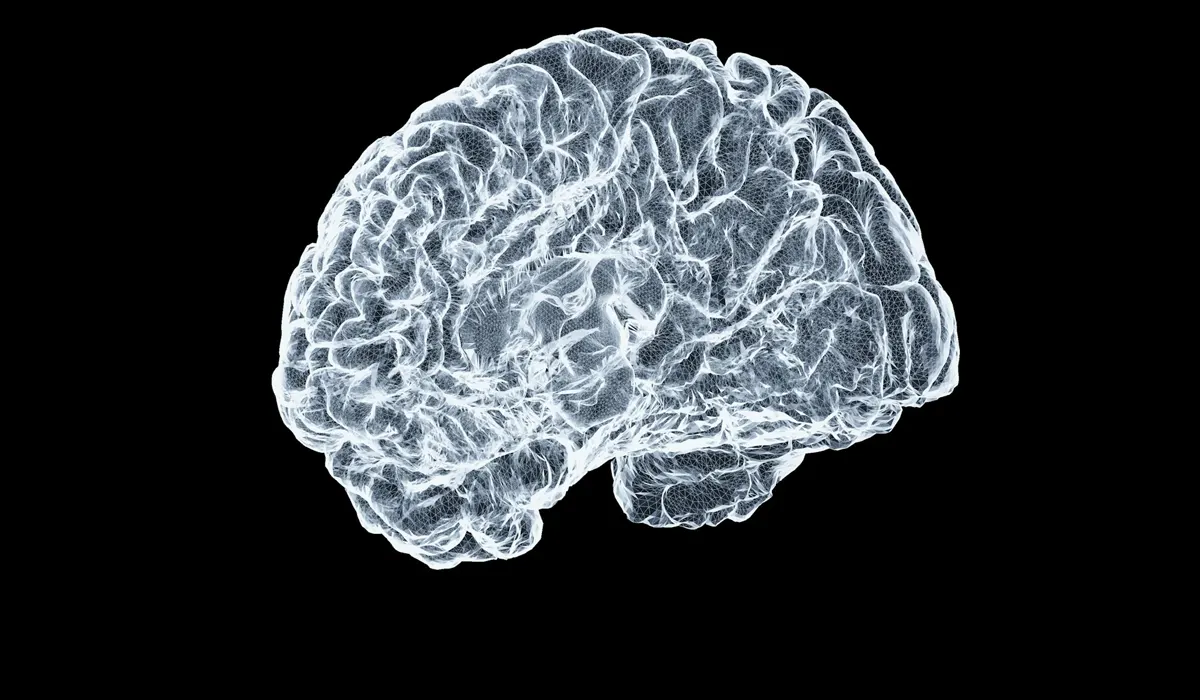
Teong’s first sign of trouble was a seizure that caused him to crash his car on Singapore’s Central Expressway. Emergency scans revealed a 2.5cm tumour located behind his right eye, growing from the meninges—the protective layer covering the brain. Despite its size, the tumour had been silent except for mild headaches that Teong dismissed as caffeine withdrawal.
The tumour’s location posed a significant challenge. It sat at the base of the skull, close to critical structures like the optic nerve and cranial nerves controlling eye movement. Traditional surgery would require opening the skull, cutting through the protective brain layers, and creating a wide access path. This approach risks damaging vital brain tissue and can cause long-term side effects like facial asymmetry from muscle wasting.
Neurosurgeon Jensen Ang explained that the tumour’s position made it difficult to reach safely using conventional methods. The brain lies on top of the tumour, and the area is packed with sensitive nerves and blood vessels. This complexity demanded an alternative approach that minimized disruption to these structures.
The New Approach: Transorbital Neuroendoscopic Surgery (TONES)
The surgical team at the National Neuroscience Institute and Tan Tock Seng Hospital used a minimally invasive technique called transorbital neuroendoscopic surgery (TONES). Instead of opening the skull from above, they accessed the tumour through the eye socket. This method uses small incisions hidden in the upper eyelid crease, allowing surgeons to reach the base of the skull without large bone removal.
This approach required close collaboration among specialists: neurosurgeons, an ophthalmologist, and an ear, nose, and throat (ENT) surgeon. Each played a critical role. The ophthalmologist ensured safe access through the eye socket, making sure the optic nerve was protected by monitoring pupil response continuously. The ENT surgeon operated the endoscope, a tiny camera with light, to navigate the narrow corridor and keep the tumour and critical nerves in view.
Dr. Tan Jian Li, the ENT specialist, described the challenge of working within a deep and narrow space. The endoscope gave the team a detailed view, while the surgeons coordinated instruments carefully to peel the tumour away from the meninges and surrounding brain tissue.
Why This Method Matters for Patients
For Teong, the choice was partly about avoiding visible scars and long-term facial changes. The TONES technique leaves only a small, nearly invisible incision in the eyelid, sparing muscles and bone that traditional surgery would affect. This cosmetic benefit is significant for patients concerned about appearance after surgery.
Beyond aesthetics, the minimally invasive nature of the procedure reduces recovery time. Teong was discharged just three days after the eight-hour operation, with no neurological or eye complications. In contrast, open skull surgeries often require longer hospital stays and carry higher risks of infection and brain swelling.
By limiting disruption to brain tissue and critical nerves, TONES offers a safer corridor to tumours in challenging locations. It’s a targeted approach designed to protect function while removing the growth effectively.
Expert Tip
The surgical team rehearsed the operation using a 3D-printed model of Teong’s skull, allowing them to plan the safest path and coordinate instruments precisely.
The Role of Technology and Teamwork in This Surgical Advance
The success of this new brain tumour removal method depends heavily on technology and interdisciplinary teamwork. The 3D-printed model, created from detailed scans of Teong’s skull, was a rehearsal tool that allowed surgeons from different specialties to discuss angles, critical structures, and potential challenges before the actual operation.
Endoscopic technology is central to this approach. The endoscope’s camera provides high-definition, close-up views inside tight spaces, which traditional microscopes cannot reach. This visual precision is essential when working near the optic nerve and other vital tissues.
The coordinated effort between neurosurgeons, ophthalmologists, and ENT specialists shows how complex surgeries benefit from combining knowledge and skills across fields. Each specialist’s expertise ensures that all aspects of the procedure—from access to tumour removal to nerve protection—are handled with maximum care.
What This Means for Future Brain Tumour Surgeries
The success of Teong’s surgery marks a step forward in how brain tumours in difficult-to-reach locations can be treated. While not every tumour will be accessible through the eye socket, this method expands the surgical toolbox, offering an alternative to more invasive skull openings.
Patients with tumours near the base of the skull or behind the eye may now have options that reduce risk and improve recovery. Surgeons can tailor approaches based on tumour size, location, and patient priorities, including cosmetic outcomes.
Further studies and clinical experience will clarify which cases benefit most from TONES. It’s a promising development that aligns with broader trends in surgery: minimizing invasiveness while maximizing precision and safety.
A Patient’s Perspective: Life After Surgery
For Teong, the surgery was life-changing. He no longer experiences seizures and has been weaned off anti-seizure medication. The biggest adjustment has been giving up driving for a year, but he looks forward to regaining independence once cleared.
His story highlights how innovative surgical methods can restore health without compromising quality of life. Avoiding major skull surgery means fewer complications, faster healing, and less impact on daily living.
Teong’s experience also underscores the importance of early diagnosis. His seizure was a sudden event, but subtle symptoms like headaches had gone unnoticed. Awareness and timely scans can catch tumours before they cause severe problems.
Why the New Brain Tumour Removal Method Through the Eye Is a Significant Development
This new brain tumour removal method through the eye socket is more than a technical curiosity. It represents a thoughtful response to complex surgical challenges, balancing access, safety, and patient well-being.
By using natural anatomical corridors and advanced imaging, surgeons reduce trauma to the brain and surrounding tissues. This approach aligns with the broader medical goal of precision surgery—targeting disease while preserving function.
The procedure’s success depends on multidisciplinary collaboration and technological support, showing how modern medicine integrates diverse expertise for better outcomes.
As this method gains traction, it could become a standard option for tumours in similar locations, offering patients safer, less invasive treatments with quicker recoveries.
This new brain tumour removal method through the eye socket offers a promising alternative for patients and surgeons facing complex tumour locations. It demonstrates how innovation in surgical techniques, combined with teamwork and technology, can improve outcomes and patient experience.