

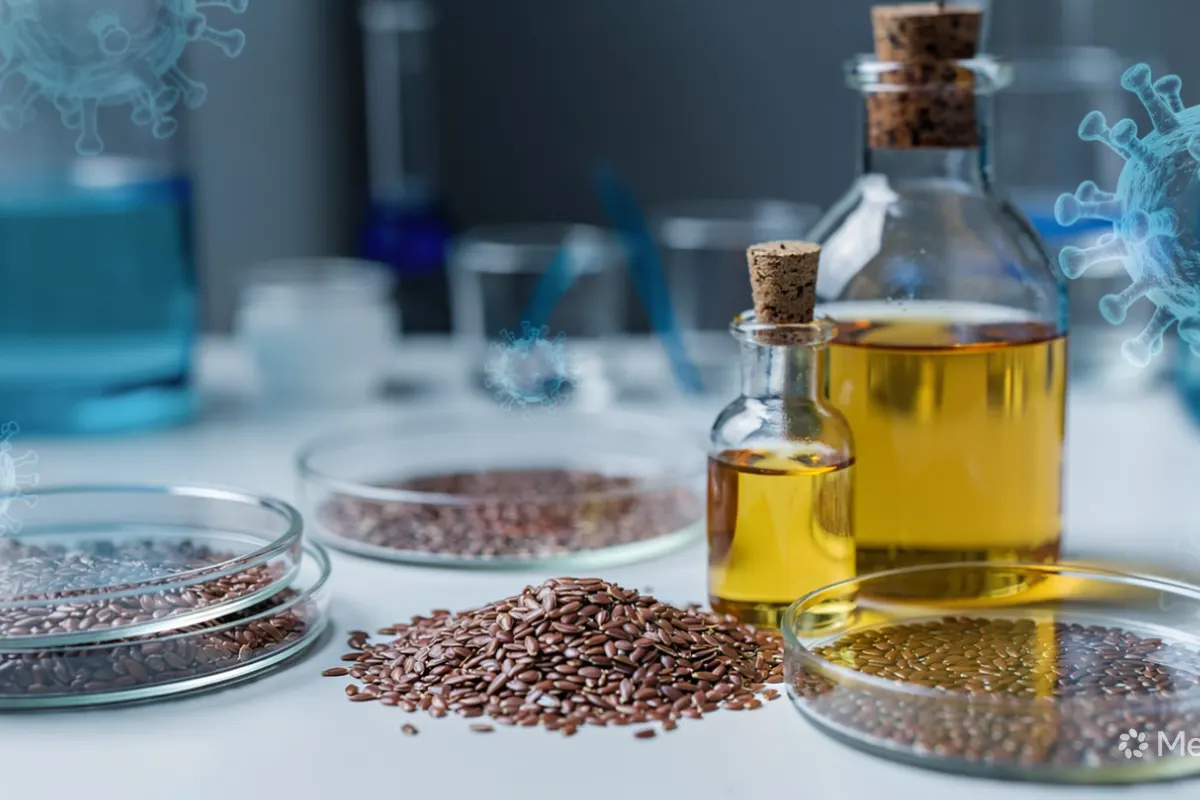
What if a simple, everyday vegetable oil could hold the answer to stopping some of the deadliest viruses on the planet? Imagine a compound derived from a common kitchen staple that can block infections like HIV and COVID-19. This isn’t science fiction — it’s a discovery emerging from Florida International University’s labs, where linseed oil is showing unexpected promise.
- The Science Behind the Linseed Oil Breakthrough
- Why This Could Matter for Global Health
- The Role of Computational Modeling in This Discovery
- Beyond Antiviral: Antibacterial and Neurological Applications
- Challenges and Next Steps
- What This Means for Future Virus Treatments
- A Practical Path Forward for Linseed Oil-Based Antivirals
- The Broader Implications for Plant-Based Medicine
- Why Linseed Oil Breakthrough Matters Now
- Looking Ahead: The Future of Novel Antiviral Linseed Oil
- A New Chapter in Virus Treatment: Linseed Oil’s Emerging Role
Viruses like HIV and SARS-CoV-2 have challenged medicine for decades. Treatments exist, but they often come with high costs, side effects, and resistance issues. Now, researchers have found that a chemically modified form of linseed oil, known as a polyol, might offer a new, affordable way to fight these infections. It’s a development that could reshape how we think about antiviral therapies.
The Science Behind the Linseed Oil Breakthrough
Linseed oil, commonly called flaxseed oil in its edible form, is no stranger to health circles. Known for its omega-3 fatty acids and nutritional benefits, it’s widely available in grocery stores and pharmacies. What’s new here is the focus on polyols — chemically modified compounds derived from this oil — which researchers at FIU found to have potent antiviral and antibacterial properties.
The key lies in the molecular structure of these polyols. Using computational modeling, the team identified that these compounds attach to specific regions on viruses like HIV and SARS-CoV-2. These regions are the same targets that several existing antiviral drugs aim for. By binding to these sites, the linseed oil polyol effectively blocks the virus from entering human cells and replicating.
What makes this discovery particularly notable is that these polyols had never been tested alone for antiviral effects before. The FIU team’s work builds on previous nanogel research but takes it further by isolating and proving the polyol’s direct antiviral activity.
Why This Could Matter for Global Health
The world continues to struggle with viral outbreaks and drug-resistant bacterial infections. Many current treatments are expensive, difficult to manufacture, or have limited availability in low-resource settings. The linseed oil polyol offers a different approach: it’s plant-based, biodegradable, and cheap to produce at scale.
Because linseed oil is renewable and widely cultivated, this compound could be manufactured industrially without the supply chain issues that plague synthetic drugs. It’s also non-toxic to healthy cells, a major advantage that suggests it could be safely added to existing treatments or used in new formulations like pills, lozenges, or aerosols.
This versatility in delivery methods means it could be adapted to treat a variety of infections, including respiratory viruses and bacterial pathogens like strep and staph, which are notorious for antibiotic resistance.
Expert Tip
The linseed oil polyol also enhances nanocarriers’ ability to cross the blood-brain barrier, opening doors to treating neurological infections and tumors once considered unreachable.
The Role of Computational Modeling in This Discovery
Understanding exactly how a compound interacts with viruses at the molecular level is critical for drug development. FIU’s researchers used computational tools to simulate how the linseed oil polyol binds to viral proteins. This approach allowed them to pinpoint the compound’s attachment sites, which overlap with those targeted by existing antivirals.
This overlap indicates the polyol’s mechanism is likely to disrupt viral entry into human cells, a crucial step in infection. The computational findings provide a strong foundation for further laboratory and clinical testing, helping to predict efficacy and safety before moving into expensive trials.
This method also speeds up the discovery process by focusing research on compounds with the highest potential, avoiding costly trial-and-error testing.
Beyond Antiviral: Antibacterial and Neurological Applications
While the antiviral effects are headline-worthy, the linseed oil polyol’s antibacterial properties deserve attention too. Infections caused by strep and staph bacteria are common, sometimes severe, and increasingly resistant to antibiotics. The polyol’s ability to inhibit these bacteria could add a valuable tool in the fight against resistant infections.
Moreover, the compound’s capacity to help nanocarriers cross the blood-brain barrier is significant. This barrier typically prevents many drugs from reaching the brain, limiting treatment options for neurological disorders and brain tumors. The polyol’s fluorescent properties also allow researchers to track drug delivery in real-time, improving treatment precision.
These features suggest a broad potential beyond viral infections, including cancer therapy and neurodegenerative disease treatment.
Challenges and Next Steps
Despite its promise, the linseed oil polyol compound is still in early stages. Laboratory results are encouraging, but clinical trials are necessary to confirm safety and effectiveness in humans. Scaling production to pharmaceutical-grade standards will require careful quality control and regulatory approval.
Another consideration is how this compound will interact with existing medications. While it appears non-toxic, thorough testing is required to avoid unforeseen side effects or drug interactions.
Funding from the National Institutes of Health supports ongoing research, including exploring the polyol’s potential in treating Alzheimer’s disease. This work highlights the compound’s versatility and the importance of continued investigation.
What This Means for Future Virus Treatments
The discovery of antiviral properties in a linseed oil-derived polyol represents an intriguing shift toward plant-based, accessible treatments. It challenges the assumption that effective antivirals must be complex synthetic molecules. Instead, it shows that natural products, carefully modified and studied, can yield powerful new therapies.
If development continues successfully, this compound could become part of a new generation of broad-spectrum antivirals. Its affordability and scalability make it especially relevant for global health, where cost and access often limit treatment options.
For patients and healthcare providers alike, this research offers hope for more effective, safer, and more widely available infection control.
A Practical Path Forward for Linseed Oil-Based Antivirals
Moving from laboratory discovery to real-world application is a significant hurdle. FIU’s lead researcher, Arti Vashist, emphasizes the goal of synthesizing and commercializing the compound for pharmaceutical use. The compound’s stability, ease of synthesis, and green technology credentials support this ambition.
Pharmaceutical companies could incorporate this polyol into existing antiviral drugs, enhancing their spectrum of activity without adding toxicity. Alternatively, standalone formulations might emerge, tailored for specific infections or delivery methods.
This practical approach ensures that the discovery isn’t just academic but has a clear path toward impacting patient care.
The Broader Implications for Plant-Based Medicine
This research also contributes to a growing recognition of plant-derived compounds in drug development. Historically, many medicines originated from natural sources, but modern pharmaceutical research often focuses on synthetic chemistry.
The linseed oil polyol case reminds us that nature still holds valuable chemical structures that, with modern modification and testing, can meet today’s medical challenges. It encourages a balanced approach that combines traditional knowledge with cutting-edge science.
This may lead to a more sustainable, accessible, and environmentally friendly pharmaceutical industry.
Why Linseed Oil Breakthrough Matters Now
As the world faces ongoing viral threats and antibiotic resistance, new tools are essential. The linseed oil breakthrough arrives at a time when affordable, effective, and safe treatments are urgently needed. Its broad-spectrum potential, low cost, and renewable source align well with global health priorities.
While it’s too early to call this a definitive cure, the research indicates a promising direction. Continued investment, research, and clinical validation will determine how far this discovery can go.
For anyone interested in the future of antiviral treatment, the linseed oil polyol is a development worth watching closely.
Looking Ahead: The Future of Novel Antiviral Linseed Oil
The linseed oil breakthrough is more than a single patent or study. It represents a new chapter in how we approach infectious diseases, blending natural products with modern science. The potential to fight viruses like HIV and SARS-CoV-2 with a plant-based compound is a hopeful sign for medicine’s future.
As research progresses, this novel antiviral linseed oil may become an accessible, effective option for millions worldwide. It’s a reminder that sometimes, solutions to complex problems can come from the simplest sources—like a humble vegetable oil.
A New Chapter in Virus Treatment: Linseed Oil’s Emerging Role
The discovery of antiviral and antibacterial properties in linseed oil-derived polyols offers a fresh perspective on infection control. It’s a rare example of a widely available, renewable resource showing promise against viruses that have long challenged medicine.
This compound’s ability to block viral entry, combined with its safety profile and manufacturing advantages, positions it as a potential adjunct or alternative to existing therapies. Its versatility in formulation and additional neurological applications further increase its relevance.
The linseed oil breakthrough could mark a significant step forward in developing accessible, effective treatments for viral infections. For those following advances in antiviral research, this novel antiviral linseed oil deserves serious attention.